One of the key challenges in enhancing forest advisory services across Europe lies in gaining a clear and shared understanding of how these systems currently operate. Forest advisory structures vary significantly between countries, reflecting different governance models, priorities and resource levels. Developing a systemic picture of these realities is a necessary first step.
To support a shared understanding of key concepts used throughout this analysis, the FORADVISE project is developing a dedicated glossary that will be published at a later stage of the project. This glossary will clarify core terms related to forest advisory systems, actors, and knowledge processes.
Over the past months, project partners have been working to develop a comparative overview of Forest Knowledge and Innovation Systems (FOKIS) across Europe. This work aims not only to map existing advisory structures, but also to capture the needs and constraints experienced by those actively involved in providing and using advisory services. The initial phase of this work was based on extensive scoping interviews conducted across multiple countries.
Some of the key findings:
- In some countries, a structured forest advisory system is essentially absent. Advisory support is limited to sporadic, ad hod engagements.
- In many others, institutional frameworks do exist, but service providers face persistent shortages of personnel and funding.
- Digital tools are increasingly available, however, their use varies a lot across countries.
- Although Forest Knowledge and Innovation Systems (FOKIS) and Agricultural Knowledge and Innovation Systems (AKIS) are conceptually linked, in practice their integration remains limited, with significant differences in resourcing and coordination.
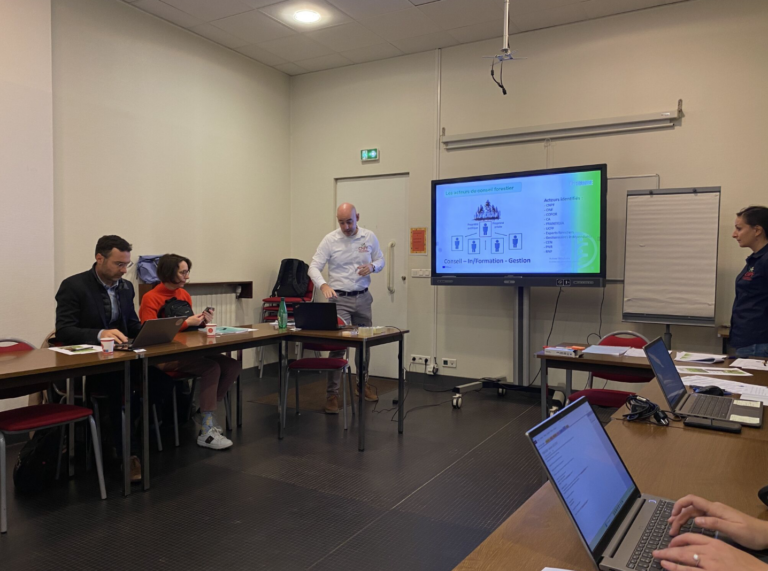
Advisory actors obtained a European overview of FOKIS and engaged in a thorough discussion of national advisory systems at National Advisory Workshops. This way FOKIS analyses were validated through feedback from multiple stakeholders.
Building on the completed round of interviews, project partners are now moving forward with a survey to advisory actors. This next phase will complement the qualitative insights with comparable quantitative data, enabling a more consistent and comprehensive understanding of how forest advisory systems function across different national contexts.